
Why Greenview Sees Standing Water Often
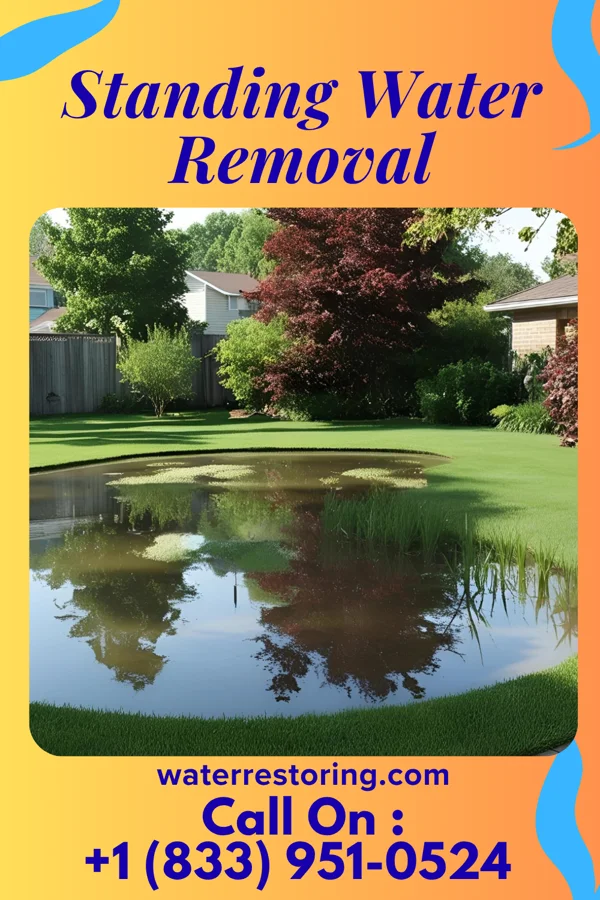
The pattern in Greenview is consistent. In Greenview, West Virginia, standing water often results from heavy rainfall and flooding due to the area's rural terrain and proximity to nearby towns like Madison and Danville. Agricultural runoff and improperly drained fields can also contribute to localized water accumulation, particularly during spring thaw. drives most of the emergency restoration calls we get. A close second is Secondary causes include leaking septic tanks, burst pipes in older homes, and malfunctioning sump pumps. These issues are common in the rural areas of Boone County where infrastructure may not be as robust as in more developed regions..
Greenview experiences a humid continental climate with significant precipitation, especially in the spring and early fall. This increases the risk of water damage from both sudden storms and prolonged wet periods, making prompt response critical.
Greenview experiences a humid continental climate with significant precipitation, especially in the spring and early fall. This increases the risk of water damage from both sudden storms and prolonged wet periods, making prompt response critical. The dominant local driver is In Greenview, West Virginia, standing water often results from heavy rainfall and flooding due to the area's rural terrain and proximity to nearby towns like Madison and Danville. Agricultural runoff and improperly drained fields can also contribute to localized water accumulation, particularly during spring thaw., with Secondary causes include leaking septic tanks, burst pipes in older homes, and malfunctioning sump pumps. These issues are common in the rural areas of Boone County where infrastructure may not be as robust as in more developed regions. showing up as the next most common cause. Damage builds in stages. Spread. Absorption. Microbial growth. Structural compromise. Every stage you pass through adds to the final bill.